

July 24, 2026
Extreme heat raises electricity use, storms can shut the grid down, and the right solar, battery, or home standby generator solution can help homeowners take control.
Heat raises demand. Storms can interrupt power. Solar, battery storage, and home standby generators give homeowners different ways to reduce grid dependence, protect what matters most, and build a more independent energy future.
Carolina homeowners face a familiar summer challenge: the hotter it gets, the harder the home has to work. Air conditioning runs longer, refrigerators and freezers work overtime, and everyday energy use can rise quickly.
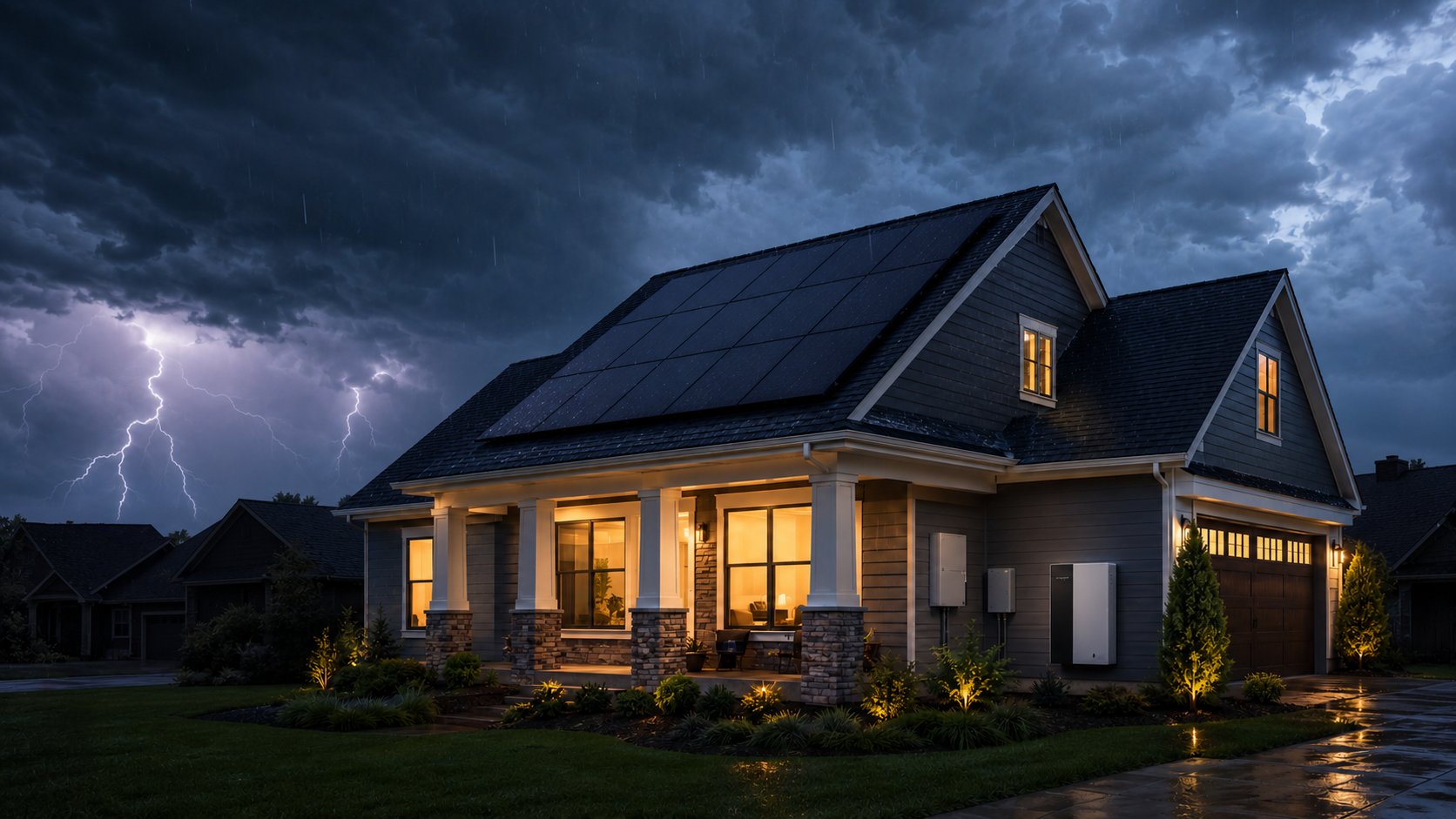
Then come the storms. Severe thunderstorms, damaging winds, heavy rain, tropical systems, and other weather events can interrupt power when a home depends on it most.
This is no longer only a conversation about lowering an energy bill. It is about keeping your home comfortable, making energy costs more predictable, and having a plan when the grid is disrupted.
At Renu Energy Solutions, we believe homeowners deserve clear answers, not pressure. As your local guides to energy independence in the Carolinas, we help you understand your energy use, compare your options, and build a solution around the way your home actually works.
The Carolina Reality: Heat, Storms, and Grid Strain
This is not only a future concern. Carolina homeowners are already feeling it in 2026.
Early summer brought repeated heat events across the region, pushing daytime temperatures into the upper 90s and past 100°F in some areas. In North Carolina, Raleigh reached 103°F in June, setting a daily record high, while Fayetteville reached 101°F. Raleigh recorded its eighth-warmest June on record. North Carolina State Climate Office
South Carolina has experienced the same pressure. During the early July heat wave, temperatures reached 104°F in the state, with heat index values reaching 105°F to 110°F in some areas. Several locations also set or tied daily temperature records. South Carolina State Climatology Office
For homeowners, this kind of heat has an immediate impact. When air conditioning has to run all day and homes remain warm into the evening, electricity use rises quickly. Refrigerators, freezers, pool equipment, EV charging, and normal household loads can all add to demand at the same time.
That increased usage is arriving while utility costs remain a major concern. Duke Energy Carolinas has reached a proposed settlement for a cumulative 9.5% residential rate increase over two years, pending approval by the North Carolina Utilities Commission. The proposal includes a 5.9% increase in the first year and 3.6% in the second year. Read more about the proposed Duke Energy Carolinas settlement
The result is a challenge many homeowners already recognize: higher summer energy use today, rising utility costs over time, and an increased need for a dependable backup plan when storms affect the grid.
This is also part of a longer trend. North Carolina’s 2024 average temperature was its second-warmest year on record, and five of the state’s six warmest years have occurred since 2016. Severe thunderstorms, damaging winds, flooding, and named tropical systems can all create outages across the Carolinas. North Carolina State Climate Office
Homeowners cannot control the heat, storms, or future utility rates. They can make more of their own energy, use it more strategically, and build a plan that helps protect their home when the grid is under pressure.
Why Summer Electric Bills Are Under Pressure
During extreme heat, many of the largest loads in a home can operate at the same time:
- Air conditioning runs for longer stretches.
- Refrigerators and freezers work harder.
- Pool equipment, EV charging, cooking, laundry, and other daily needs add to demand.
- Evening energy use can remain high after solar production slows down.
Utility costs are also an important part of the long-term conversation. Duke Energy Carolinas has reached a proposed settlement for a cumulative 9.5% residential rate increase over two years, pending regulatory approval. That does not mean every bill will change by the same amount, but it reinforces why homeowners are looking for ways to use energy more strategically and rely less on future utility purchases. Learn more about the proposed Duke Energy Carolinas settlement.
The goal is not to promise that a home will never have an electric bill. The goal is to help homeowners create more control over how, when, and where they use energy.
How Solar and Battery Storage Can Help During Heat and Outages
Solar panels make electricity during the day, often when summer cooling needs are high. That energy can power your home first, reducing the amount of electricity you need to purchase from the grid.
A battery adds another layer of flexibility. Instead of relying only on real-time solar production, it can store available energy for later use, including during the evening, overnight, or during a power outage.
Here is the key distinction: solar panels alone generally do not keep a home powered during an outage. For safety, most grid-tied solar systems shut down when the grid goes down. A battery and properly configured backup equipment allow the home to isolate safely from the grid and continue supplying selected loads.
With the right design, solar and battery storage can help homeowners:
- Use more of their own solar energy.
- Reduce grid purchases and reliance during high-demand periods.
- Keep essential loads operating through an outage.
- Recharge the battery with solar when weather and production allow.
The amount of backup time depends on battery size, solar production, weather, home energy use, and which appliances the homeowner wants to prioritize. Learn more about Renu Energy Storage.
How Solar, Battery Storage, and Net Metering Work Together
| Time of Day or Event | How the System Can Help |
| Sunny afternoon | Solar can power the home first, reducing electricity purchased from the grid. |
| Extra solar production | Depending on the utility program and rider, available energy may be exported for bill value or stored in the battery. |
| Evening peak | The battery can support the home after solar production falls, reducing reliance on grid power. |
| Storm outage | The battery can automatically power essential loads, while solar may recharge it when conditions allow. |
Net metering and utility riders can affect the value of energy exported to the grid. The best setup depends on the customer’s utility, current enrollment terms, energy use, roof production, backup priorities, and budget.
Renu helps homeowners understand those details before recommending a system.
Home Standby Generators for Extended Outages
Battery storage is a strong fit for homeowners who want quiet, automatic backup and greater control over their energy use. But for some households, extended outage coverage and larger loads are the highest priority.
That is where a home standby generator can be the right solution.
A home standby generator automatically starts when the grid goes down. Depending on the system size and available fuel supply, it can support larger appliances and keep a home operating through a longer outage. This can be especially valuable for homeowners who need to prioritize air conditioning, well pumps, refrigeration, medical equipment, or broader whole-home coverage.
Renu offers Generac home standby generator options designed to provide dependable automatic backup. Qualifying 26 kW standby generator models include a 10-year limited warranty. Explore Renu’s Home Standby Generator options.
For homeowners who want the fullest energy-independence strategy, solar + battery + a home standby generator can create a powerful home energy ecosystem:
- Solar helps produce energy at the home.
- A battery stores energy and provides automatic backup.
- A generator adds longer-duration support when an outage extends beyond available battery energy or solar production.
Every home does not need every component. Our role is to help you understand the tradeoffs and choose the right level of protection.
Which Energy Solution Is Right for Your Home?
| Primary Goal | Best System to Explore |
| Lower daytime energy purchases and gain essential backup | Solar + battery |
| Protect critical circuits during outages | Battery storage |
| Run more of the home through extended outages | Home standby generator |
| Build the strongest home energy-independence ecosystem | Solar + battery + home standby generator |
| Reduce grid reliance while planning for the future | Solar + battery with the right utility rider |
Limited Battery Incentives and Programs
For eligible North Carolina homeowners, Duke Energy Carolinas PowerPair may offer up to $9,000 in combined solar and battery incentives, subject to program requirements and available capacity.
Availability is limited. Renu’s current PowerPair information notes that Cohort B has been waitlisted since April 28, 2026, and the remaining program opportunity may close as capacity is reached. Eligibility, equipment requirements, utility territory, and enrollment terms can change, so it is important to review the current details before making a decision. Learn about Duke Energy PowerPair.
Eligible battery-control programs may also provide monthly utility bill credits. Renu currently lists potential credits of up to $92 per month for qualifying Duke Energy programs, systems, and equipment. View current battery incentives.
Build Your Plan Before the Next Outage
You should not have to wait for the next heat wave, summer storm, or named system to find out whether your home is prepared.
Renu Energy Solutions is here to guide Carolina homeowners through solar, battery storage, home standby generators, utility options, and complete energy-independence systems. We will help you understand your home, your energy use, and the backup solution that makes sense for what matters most.
Speak with one of our energy guides or schedule a 15-minute discussion today.
Other Recent Posts
Jul - 2026
Feeling the Heat? How Carolina Homeowners Can Lower Energy Costs and Prepare for Storm Outages
Jun - 2026
250 Years of Independence, 250kW of Solar
May - 2026
Duke Energy Carolinas PowerPair Update: What DEC Customers Need to Know Now

Apr - 2026
How to Celebrate Earth Day with Solar, Battery Backup, and Clean Energy
Apr - 2026
Tesla Powerwall 3 Rebate Extended: How North Carolina Homeowners Can Combine It With PowerPair